Thirty hours of transit from Whitehorse to Delhi turns into almost 48 hours of being awake with the flight delays, missed connections and transportation to and from the airport. I arrive in Delhi close to midnight so I have no time to check out the city. First thing the next morning I’m back at the airport waiting for my flight to Dharamshala, which is also delayed by several hours. This gives me a chance to meet some other travelers: Ryan – an American living in Texas with a huge beard; Jelise – an outgoing blonde from Australia; and Gabriela – a friendly, soft-spoken German. They’ve all been to Dharamshala before and are excited to get back to the cool mountain air after Goa.
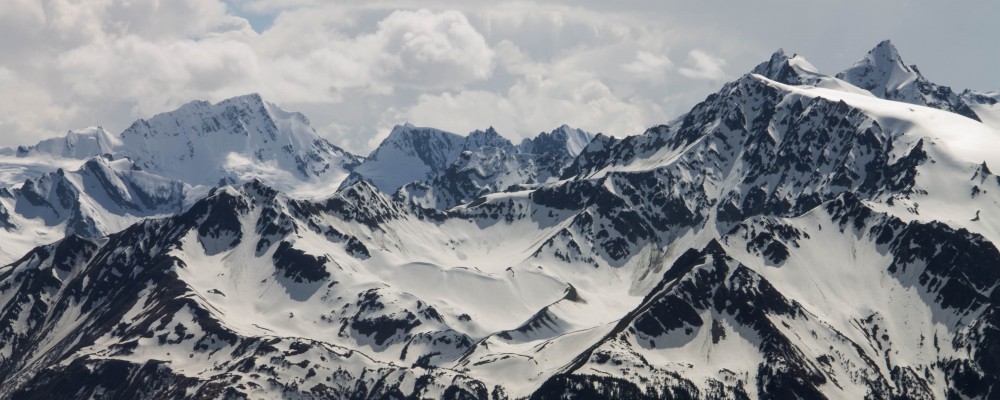
Flying into the Gaggal airport I see dense green rolling hills dotted with tiny villages, and finally the massive wall of the Himalaya mountains in the distance with a fresh dusting of snow on the peaks. Pretty impressive! The four of us share the 40 minute cab ride from the airport to McLeod Ganj, about 20 minutes north of Dharamshala proper. We race up the narrow, winding road which seems wide enough for only one vehicle, but somehow there are two lanes of traffic as well as crowds of pedestrians, massive bulls, stray dogs, macaque monkeys, and motorcycles and rickshaws weaving in and out of all the other traffic. Gabriela says goodbye and goes to her hotel, and I ended up sharing a hotel room at Kareri Lodge with Ryan and Jelise, working out to about $6 CAD each per night. We have an amazing view overlooking the Kangra valley. Most evenings as we get ready for dinner we watch the sun set and the fog roll up the valley towards us while monkeys jump between rooftops and eagles swoop between trees.
I stay with them for almost a week and spend my days exploring on my own, meeting up with their backpacker friends and some locals as well in the evenings. They teach me to haggle and show me around the city, even some secret Tibetan back alley places just off the main square that fewer tourists know about, with really good food. I’m so lucky to have them! The narrow streets around the main square are thronging with vendors, pedestrians, cows and bulls, and all types of vehicles, and broken concrete below. The cars honk when they come across pedestrians or animals, or other vehicles, or when they’re going around a corner, or when they want to get your attention. Petty much every vehicle is constantly honking. And the foot traffic is a chaos of backpackers, foreign tourists, Indian tourists, locals, road workers, and Tibetan monks and nuns in burgundy and gold robes with shaved heads. For India, it is not very crazy in terms of population density, but it seems overwhelming to arrive here from Whitehorse. And it’s HOT and muggy. Locals find it cold and many of the tourist buses, package tours and guest houses are closing for the season and heading to Goa for the winter. But the days are at least 25 celsius and humid. I keep as much skin covered as I can to be respectful and to draw as little attention as possible from men. All my clothes are already smelly. In the blazing heat near the main square I see women in bright saris working construction, moving liquid concrete in wide bowls balanced on their heads to pour onto the street to set.
I don’t waste any time trying to get my body used to the food. My first morning in McLeod Ganj, Ryan and Jelise bring me to a nameless roadside shack about twenty minutes out of town with amazing aloo parantha with egg and spicy salsa for breakfast with chai to drink for about $1.50 CAD. They tell me stories of some of their misadventures traveling in other parts of India. We watch two little girls with pigtails running and laughing in and out of the curtain door of their concrete home, back and forth from the rooftop next door to a tap of water at the side of the road that many locals are using for cooking and washing. So far I’ve only had mild stomach trouble eating almost all meals with my hands, taking my chances with roadside places and tea houses, and getting momos from street vendors. I’ve been careful to only drink bottled water, but other tourists seem to be more adventurous. I hoard napkins from restaurants in case I need them in the bathroom, since most don’t provide toilet paper. Many places seem to have flush toilets but not all. Adjusting to the food is easier here than most places in India, so I’m not too stressed about the food up near the mountains.
I’ve had some amazing paneer masala with butter garlic naan, spicy lemon ginger tea with honey, mushroom lemon coriander soup and of course momos, little dumplings with veg inside. One night I go with my new friends to Tibet World cultural centre for a folk show with singing and dancing and instruments similar to guitar and violin, and some drums. At the end they get the audience to learn a folk dance, it’s really fun!
One day I visit the Dalai Lama’s house and Namgyal Monastery, and it’s amazing! I happen to catch the monk debates, from what I understand it’s part of their monkhood exams to participate in an intense philosophical debate, where they clap their hands together loudly when a point is made. Upstairs I visit the room with the ornate seat of the Dalai Lama. Many tourists cram into the small humid room taking pictures. A huge, friendly family of Indian tourists from Delhi asks to have their picture taken with me, since I’m as fascinating to them as they are to me, and I get a photo with them on my camera as well. I pose smiling for several shots on various iPhones in the small, humid room. I’m getting tired of being polite when a man from Delhi starts chatting with me about the monk debates and eventually gets around to “Are you married?” and “Would you like to meet my parents?” I say yes, I am. And no, thank you, I would not.
Ryan takes us to Tushita centre for Samatha meditation one morning up in Dharamkot, where there’s free, daily meditation. I continue to go there most mornings for guided meditation, then breakfast at the Trek and Dine. One day I wander further up the narrow concrete and cobblestone path to look for a tea house and guest house I’d heard about, but take a wrong turn and wind along the steep stone path around the houses built into the landscape, stacked among bushy evergreens. There are steps of agriculture plots being tilled by older people and animals. Eventually I realize I’m lost when the path is blocked by stacks of prickly twigs, and I’m cliffed out by a waterfall. Hiking down I see an older woman in a sari working the soil with a hunched back so pronounced that her spine doesn’t straighten. A huge mutt comes along and starts to lick her face, and she’s tries to push him away, but he’s too big. A handsome younger man comes along and brushes the dog away from her face, both of them laughing and smiling.
One night some of us decide to go to the Dharamshala fair grounds because a band is playing for Dusshera festival. We pile into a cab blaring Punjabi rap music with the bass cranked up, and arrive at 7pm – after dark. We are the only white people there, and we’re getting lots of curious looks from the families. We watch the entertainment – singers and dancers swirling saris in bright colours, and we think they’re singing in Hindi. Soon there are nothing but speeches so we decide to leave. One of the singers and her little brother want a picture with us on the way out. By now the three of us girls really need to use the toilet but there aren’t any. And in any case we didn’t really want to stray too far away from Ryan with all the gawking men around. We end up in the ricketiest cab there is, bouncing along the broken concrete roads back up to McLeod Ganj trying not to think about how badly we all want to pee. That night we have drinks on a rooftop patio seated on cushions on the floor around low tables in a semi-circle, with our shoes removed and soft lighting from paper lanterns with elephant shapes.
I say goodbye Ryan and Jelise, who are moving on to Nepal – Ryan is an architect who is part of the rebuilding effort there – and I move up the hill from Dharamkot to Rana’s Tea and Guest House.
 roads and mountains